At Sawyer we have the privilege of working with hundreds of inspiring educators around the country. The curricula always foster enriching atmospheres for children of all ages to discover their love of learning and grow as people.
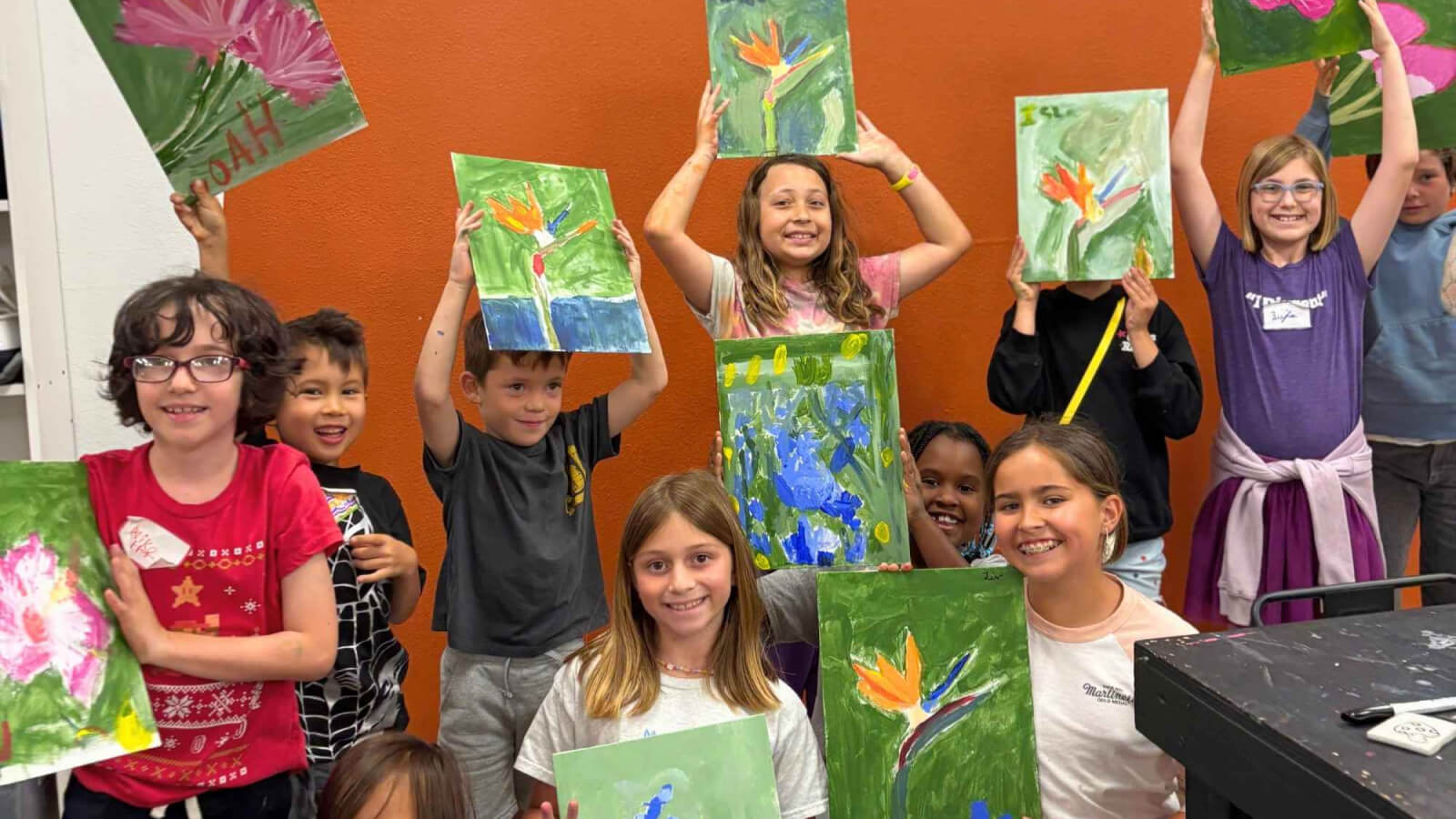
We got the opportunity to chat with Laurie Evans, Studio Programs Manager of ArtReach, which provides art classes and camps to children in San Diego. Their programs ignite creative expression and foster community connection through transformative visual arts education, collaborative murals, and workshops. We learned more about the benefits of out-of-school enrichment activities, inspiring moments in and out of the classroom, and so much more.
Thank you for taking the time to chat with us! I’d love to hear a bit more about you and why you started your business.
I have been working with ArtReach for almost 5 years now however our non profit organization has been around since 2007. We began offering our studio programs about a year and half ago when we moved into our new office in Hillcrest, San Diego. We now have the studio space for all of our offerings for kids ages 5-12 such as our seasonal camps, family workshops, after school art classes, and our Drop In Play sensory exploration for early childhood development.
Can you describe an inspiring moment you’ve had as an educator?
An inspiring moment for me is watching the studio transform into a true creative community over time. There are days when I step back and see children exchanging ideas, encouraging one another, and confidently explaining their creative choices without any adult prompting. When kids begin to see themselves not just as artists, but as collaborators and mentors to one another, it reinforces the power of a shared studio space. Those moments remind me that art education isn’t just about what children make, it’s about how they learn to listen, express themselves, and belong.
What’s the most rewarding thing about teaching children?
The most rewarding part of teaching children is witnessing their growth beyond the artwork itself. Through art, they learn problem-solving, communication, patience, and how to trust their instincts. Watching children build confidence, collaborate with others, and express emotions they may not yet have words for is incredibly meaningful.
What’s one time a child surprised you and made your day?
One time, a child arrived at one of our camps feeling very shut down. They didn’t want to engage with the materials, the other students, or the art project at all, and spent the morning quietly observing from the sidelines. When we transitioned into a new project using clay later in the day, something completely shifted. That simple change in medium sparked their curiosity and sense of play. Suddenly, their personality came to life, they began experimenting, asking questions, and confidently creating. By the end of the day, they were fully immersed, making incredible work and connecting with others. It was a powerful reminder of how the right material at the right moment can unlock imagination and confidence.
On a similar note, what’s the funniest thing a child has done in your class?
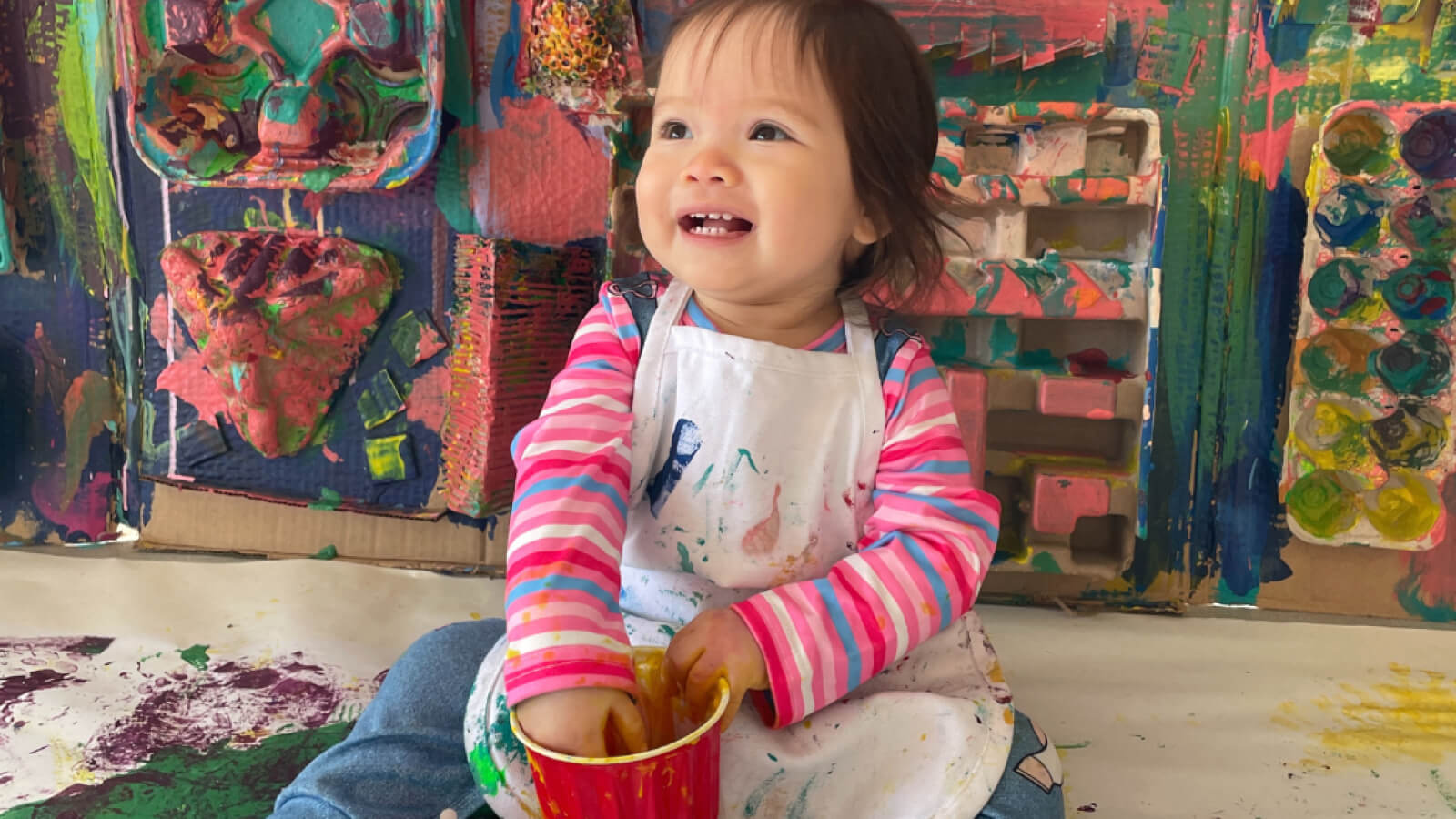
During a Drop In Play session, a child very seriously announced that their abstract painting was “a map to my house, but only dogs can read it.” The confidence and logic behind it had the entire room laughing! It perfectly captured the imaginative freedom we try to protect in our studio.
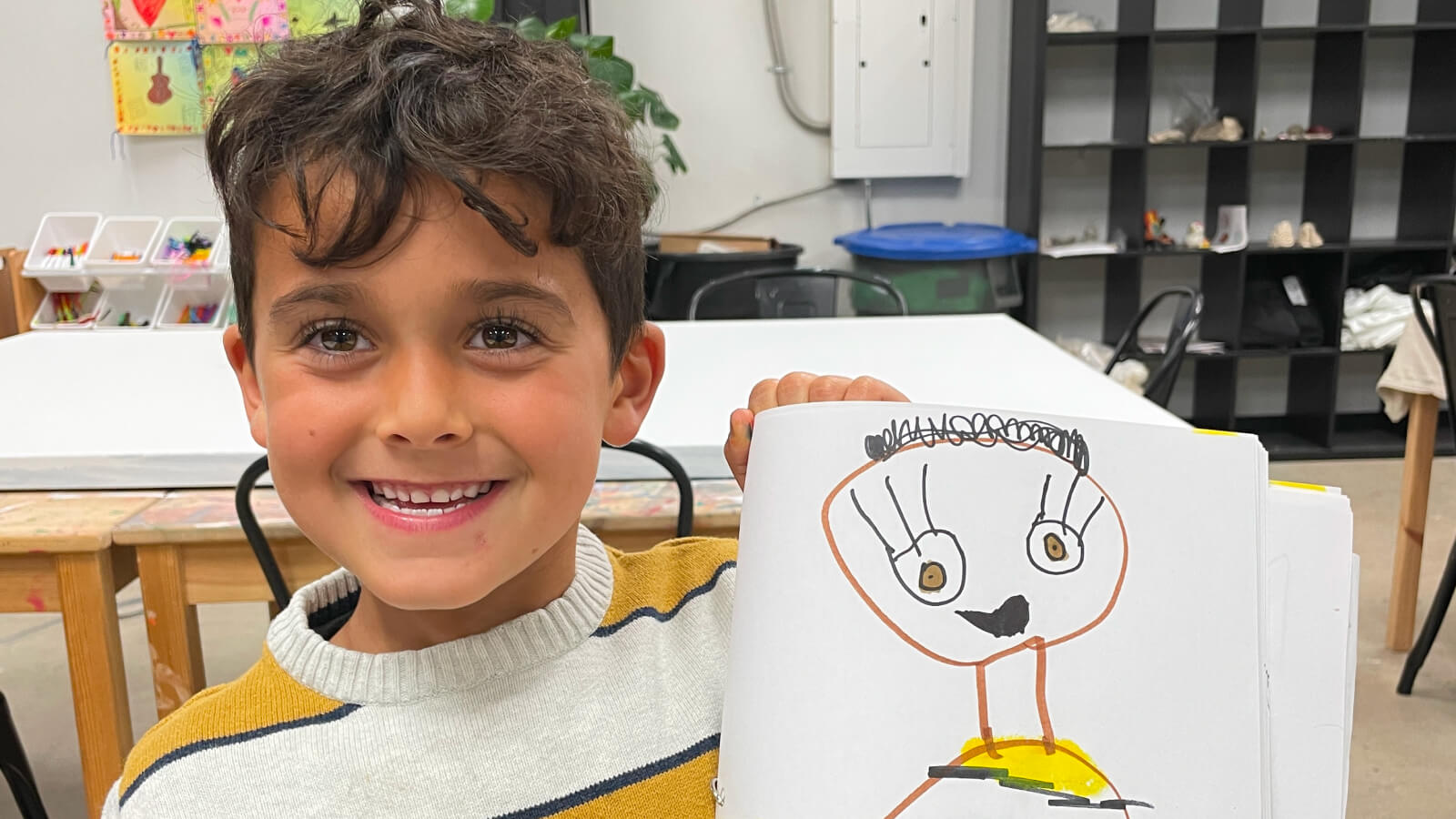
Why is after school/extracurricular enrichment and camp so important for children?
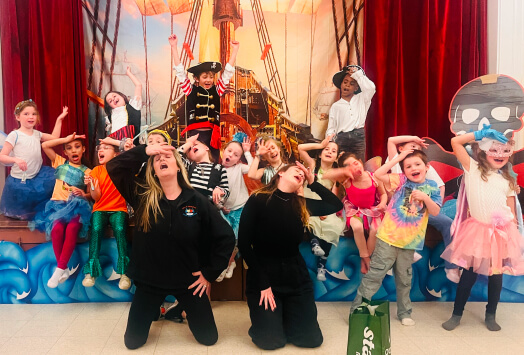
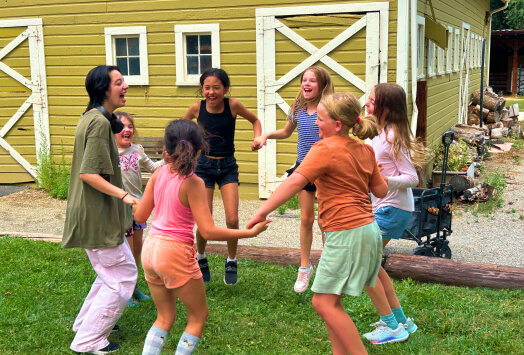
After school and camp programs give children the time and space to explore who they are outside of academic expectations. These environments allow kids to slow down, create with their hands, and engage in open ended play and problem solving. Especially today, when schedules are busy and screen time is high, creative enrichment helps support emotional regulation, confidence, and social connection.
How do you think children can discover their passions when they’re not in school or your programs?
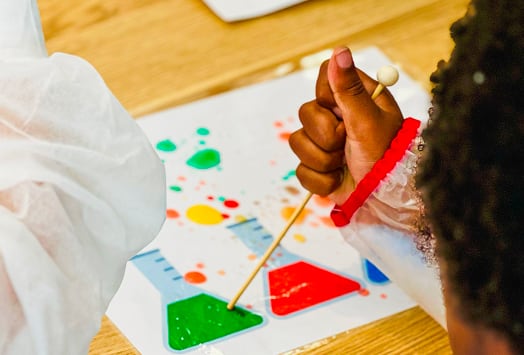
Children discover their passions through freedom, curiosity, and exposure. When they’re given unstructured time, access to materials, and encouragement to explore without pressure, they naturally gravitate toward what excites them. We encourage families to support this by valuing process over product and allowing children to follow their interests even when it looks messy or unconventional.